
The terms banks use when you apply for an account, from identity checks to conditional approval, translated into plain English so you know what is being reviewed and why.
In a nutshell
- Federal rules under the Bank Secrecy Act require banks to verify the identity of anyone opening a new account before it can be approved.
- A Customer Identification Program covers data collection, verification, government list screening, recordkeeping and declining applicants who cannot be verified.
- A notice of address discrepancy means the address you gave the bank did not match the address in the reporting company’s file, and the bank must then verify the address.
- Status labels such as pending, referred and conditional approval describe where an application stands, and you can ask the bank to explain what any label means.
- A mismatch between your application and a reporting company’s file, such as an address discrepancy, is often fixable once you know which detail disagreed.
Banks lean on a wall of shorthand when you apply for a checking or savings account: CIP, KYC, notice of address discrepancy, conditional approval. Some of it comes straight from federal rules. This glossary explains the terms so you can follow what the bank is actually checking and why.
Why Banks Verify Who You Are Before Opening an Account
Federal law requires banks, credit unions and similar institutions to confirm the identity of anyone opening a new account. The requirement aims to make money laundering and other financial crimes harder, and to stop people from opening accounts with stolen identities. It also explains why an application can stall: if the bank cannot form a reasonable belief that it knows who you are, it cannot open the account.
Identity Check Terms: CIP, KYC and Documents
Bank Secrecy Act (BSA). The federal anti-money-laundering law that requires financial institutions to keep records and report activity that may signal financial crime. Identity checks at account opening sit within this framework.
USA PATRIOT Act, Section 326. The part of the 2001 USA PATRIOT Act that directed regulators to require identity verification before new accounts; the rule took effect June 9, 2003.
Customer Identification Program (CIP). A written program every covered institution must follow to verify the identity of customers opening new accounts. It must include collecting identifying information, risk-based verification, screening against government lists of known terrorists and criminals, record retention and procedures for declining applicants who cannot be verified.
Reasonable belief. The standard a bank’s procedures must reach: reasonable belief that it knows the true identity of each customer. What counts as enough verification is risk-based, so it varies with the account type and how you apply.
Know Your Customer (KYC). The broader framework of identity and risk checks a financial institution applies to its customers. CIP is one piece of KYC, and Customer Due Diligence (CDD) and Enhanced Due Diligence (EDD) are later layers that assess customer risk.
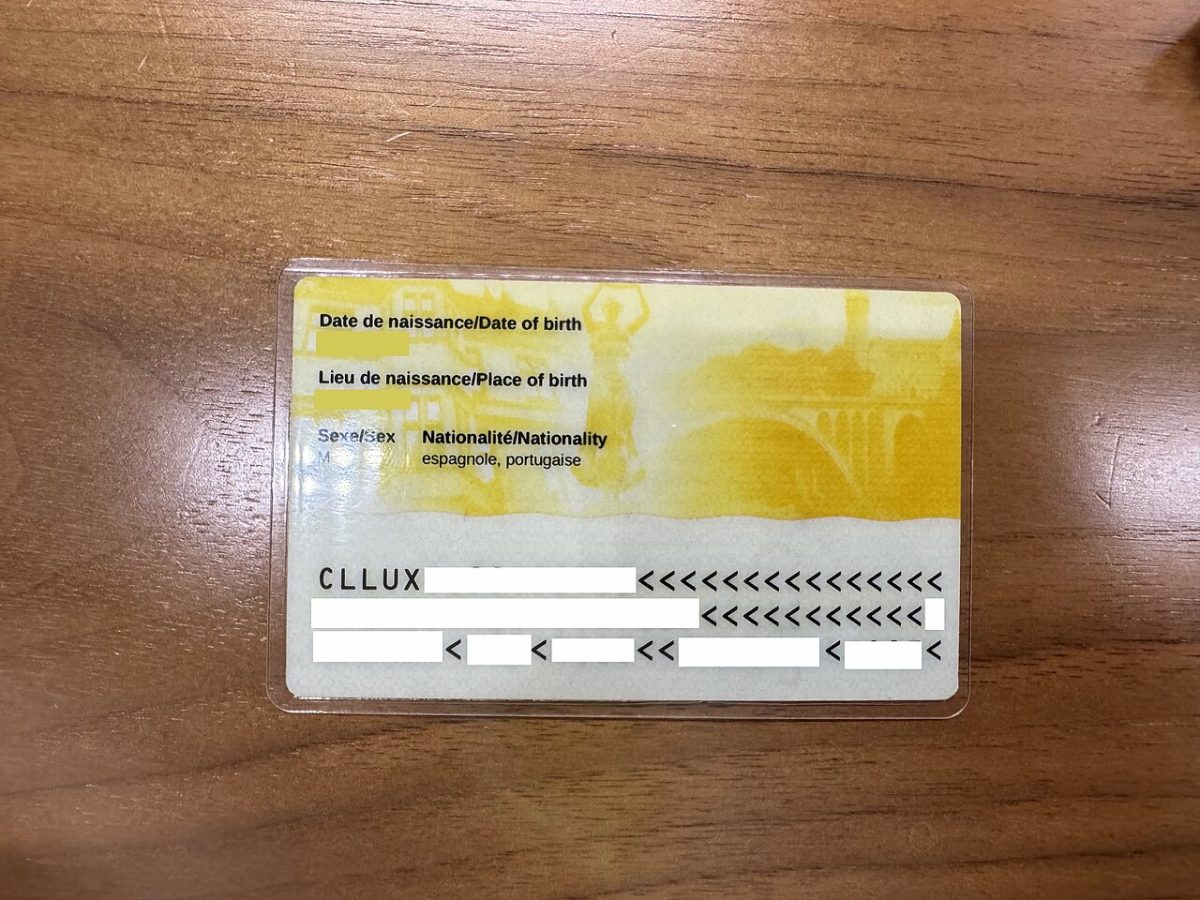
Proof of identity. Information you may be asked to provide so a company can match you to its records or confirm who you are. What counts as enough varies by company and can include government-issued identification, a utility bill or other methods of authentication.
Knowledge-based authentication. Verification by answering questions only you would be expected to answer. Failing these is a common reason an online application needs another look.
Verifiable digital credential. A government-issued digital identity, such as a state-issued mobile driver’s license, that FinCEN and the federal banking agencies have said may be used under the CIP rule.
Residential or business street address. The CIP rules require an institution to obtain this from each individual applicant. Without one, the rules allow the street address of a next of kin or another contact individual.
Do this
A post office box from a state address confidentiality program does not satisfy the street address requirement on its own. FinCEN can grant exceptions for such programs, and an applicant without a street address may use a contact individual’s address instead.
Account History Check Terms
Consumer reporting agency. A company that assembles files on consumers and sells reports used in account, credit and similar decisions.
Specialty consumer reporting company. A reporting agency focused on one type of record, such as checking account history. Some banks review these reports when evaluating a deposit application. We explain the system in ChexSystems: What It Is and Why a Bank Might Turn You Down.
Notice of address discrepancy. A notice a consumer reporting agency sends when the address an applicant provided differs substantially from the address in its file. The bank then must have procedures, such as comparing the documents you supplied or confirming the address with you, to form a reasonable belief that the report actually describes you.
Application Status Terms: Pending, Referred and Conditional Approval
The definitions below are general. Ask the bank to explain any status it shows.
Pending. The application is still under review and the bank has not finished its identity or history checks.
Referred. The application has been routed to a person for manual review, often after automated screening flagged something the bank could not verify.
Conditional approval. The bank intends to open the account once you meet stated conditions, such as supplying another document or making an opening deposit.
Funding Terms: Opening Deposits, Holds and Restrictions
Opening deposit. The money you must put in to fund the new account. The required amount and the deadline to provide it vary by bank and account type.
Access device. A card or other tool that gives access to an account, such as a debit card. Federal electronic transfer rules let an institution issue one only in response to your request, or as a renewal or replacement.
Hold. A delay a bank places on deposited funds before they can be withdrawn. Timing varies by bank and by deposit method.
New account restrictions. Limits some banks place on accounts early in the relationship, such as reduced features, until the account has been open for a period the bank sets.
What to Do if a Term Doesn’t Match What Happened
If your application shows a status the bank never explains, or a denial letter cites something unfamiliar, ask the institution to identify which report or step produced the result. You can then ask the reporting company how to dispute anything in the file that looks wrong. Keep copies of what you submitted. A mismatch such as an address discrepancy is often fixable once you know which detail disagreed. For the full picture of why applications fail, read Why a Bank Account Application Gets Denied, and What to Do Next.
Before you apply anywhere, our checklist of what you need to open a bank account lists the documents and details worth gathering first.
Good questions
What is the difference between CIP and KYC?
CIP is a specific federal requirement to verify identity when someone opens a new account. KYC is the broader set of checks a bank applies to know and assess its customers, and CIP is one piece of it.
Why does the bank need my street address instead of a P.O. box?
The CIP rules require a residential or business street address for individual applicants. If you do not have one, the rules allow the street address of a next of kin or another contact individual.
What does conditional approval mean?
It means the bank expects to open the account once you meet stated conditions, such as providing another document or making an opening deposit. The conditions vary by bank.
Do identity checks at account opening involve my credit?
Identity verification confirms who you are rather than how you borrow. A bank may also review specialty reports about your checking account history, which our ChexSystems article explains.
This guide is general information, not financial or legal advice. Bank fees, account terms and screening policies vary by bank and change over time, so check the account’s fee schedule and terms before you open it. For federal rules, see the Consumer Financial Protection Bureau and the FDIC.