
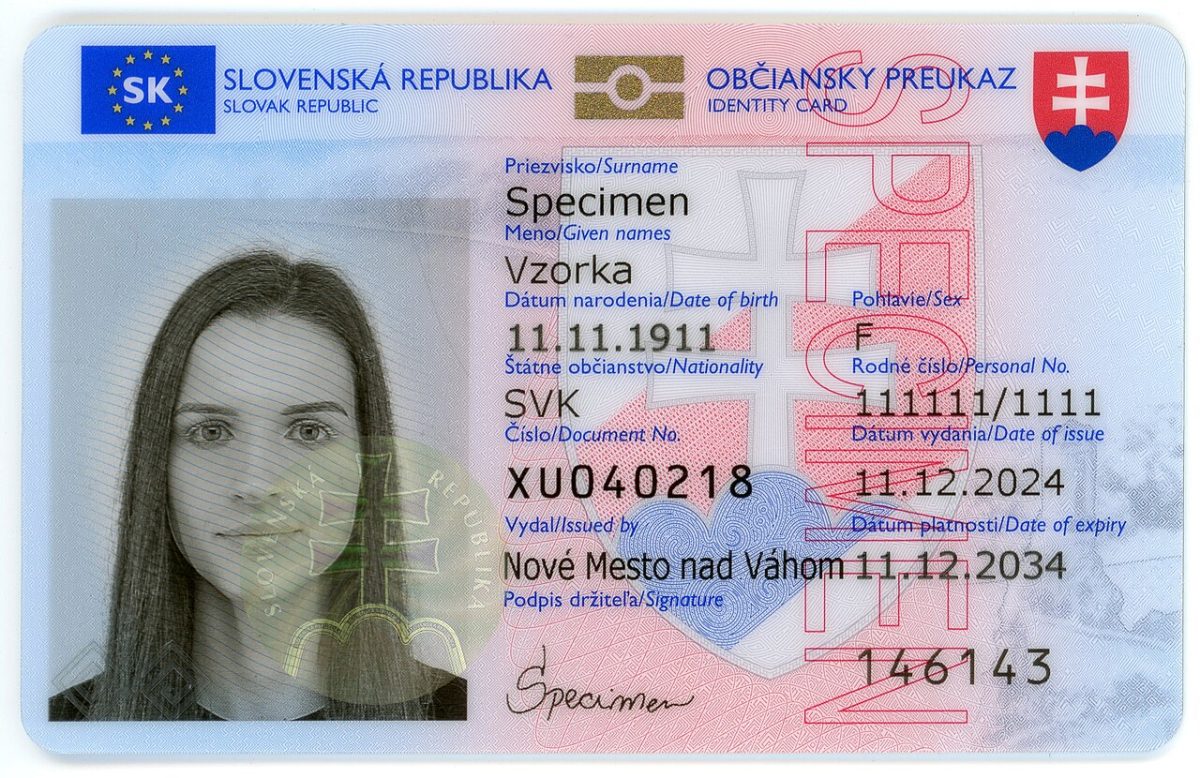
A plain-English walkthrough of the Customer Identification Program, the details every bank collects, and how to handle a mismatch when your application stalls.
In a nutshell
- Federal rules under Section 326 of the USA PATRIOT Act require banks to collect your name, date of birth, an address and an identification number before opening an account.
- For U.S. individuals, the identification number is generally a full Social Security number, though a 2025 regulatory order lets banks optionally obtain it from a third-party source instead.
- Banks use risk-based procedures and must reach their own confident conclusion about who you are before an account can open.
- Most verification delays come from small mismatches, such as a typo, an old address or a name change that one document does not reflect.
- If a bank cannot verify you, ask which detail or report caused the problem; many mismatches are correctable once identified.
Opening a bank account involves more than choosing where to keep your money. Before a bank accepts you, it has to confirm who you are. Federal rules require this for every new account, whether you apply from your phone or sit across a desk from a teller. This guide walks through what banks collect, what they check behind the scenes, and what to do when something in your application does not line up.
Why Banks Have to Verify Your Identity Before Opening an Account
Section 326 of the USA PATRIOT Act, a federal law that strengthened anti-money-laundering requirements, directed regulators to require identity checks before new accounts. The resulting regulation, known as the Customer Identification Program (CIP) rule, was issued in 2003. It applies to banks, savings associations, credit unions and certain other institutions.
Each institution must maintain a written Customer Identification Program. The program has to use risk-based procedures, meaning the depth of checking can vary with the type of account, the way you apply and the institution’s own assessment of risk. The rule’s standard is that the bank must reach its own confident conclusion about who each customer really is. In practice, that means the bank has to be satisfied that you are the person your application says you are, not someone else using your details.
The rules exist to make money laundering more difficult and to prevent accounts from being opened with someone else’s stolen details. That purpose is worth remembering when an application stalls. A bank asking for another document is often responding to the general risk of fraudulent account opening, not singling you out.
The Information Every Bank Will Ask You For
The CIP rule requires banks to collect, at a minimum, four pieces of information from each individual customer:
- Your full legal name
- Your date of birth
- An address
- An identification number
The regulations call this a taxpayer identification number (TIN). For a U.S. person opening a personal account, that number is generally a full Social Security number.
One change affects how that number gets collected. On June 27, 2025, three federal banking agencies, the OCC (national banks), the FDIC (deposit insurance) and the NCUA (credit unions), issued an order, and FinCEN, the Treasury bureau that administers anti-money-laundering rules, agreed to it. The order allows a bank to get your TIN from a third-party source instead of asking you for it. Regulators pointed to customer hesitance about sharing their full number, fed by worries over data breaches and identity theft, and weighed public comments and newer verification tools before granting the exemption. Banks can choose whether to adopt the alternative; nothing obligates them to, and each one still needs written procedures that meet the underlying identity standard before the account opens.
For the record
If an online application asks for only part of your Social Security number, that can reflect this flexibility rather than a mistake. Confirm you are on the bank’s genuine website before entering anything.
How Banks Check Your Details Behind the Scenes
Collecting your information is only the first step. The bank then has to verify it as far as is reasonable and workable, using procedures built around its own risks. Regulators have said those four basics should be backed up with additional verification steps where a bank’s risk assessment calls for it, so what happens next varies from bank to bank.
Verification can include comparing your details against independent sources, reviewing documents, or using electronic services that match your information against data records. Banks also run other checks under their broader anti-money-laundering duties, of which the CIP rule is one part.
Digital applications add another wrinkle. Many online forms are pre-populated, meaning fields such as your name or address are automatically filled in from information you or a third party supplied earlier. The FDIC has said pre-filled details count as information you provided, as long as you can actually review, correct and confirm them, and the bank’s process still leaves it confident about who you are. Slow down at that review screen. A stale address or an old name carried into a new application is a common source of delays.
Applying Online vs. Opening an Account in Person
The CIP rule applies the same way regardless of how you open the account. What differs is the mechanics of verification.
In person, you typically show physical documents, such as a driver’s license, and a bank employee can spot a mismatch or a missing item on the spot. Online, the bank relies on digital tools: forms, electronic checks against data sources and sometimes questions drawn from your records. If your answers or details do not match, the application can be routed to a person for manual review, which takes longer.
Neither method is universally better. Online applications are often quicker when your details match cleanly. In-person applications make it easier to explain an unusual situation, such as a legal name change, with documents in hand.
Common Reasons Verification Gets Stuck
Most holds trace back to small inconsistencies rather than serious problems:
- A typo in your name, address, date of birth or Social Security number
- A legal name change that one set of your documents does not reflect yet
- An address that differs from the one in the records the bank checks, such as after a move
- Answers that do not match records the bank pulls from other sources, which can be out of date
- A document issue, such as expired identification
Because verification is risk-based, banks weigh these differently. The same mismatch might pass without comment at one institution and prompt a follow-up request at another.
What Happens if the Bank Can’t Verify You
When the bank ends up unsure about who you are, it cannot open the account. That does not always mean a flat denial. Many banks hold an application as pending, ask for another document, or route it for manual review. Conditional approval is also possible, where the account opens after you provide the specific item the bank has requested.
If your application is denied, ask the bank to identify which step or report produced the result. Many problems, an old address among them, can be cleared up as soon as you know which piece of information was the issue. Some banks offer accounts designed for people who were turned down elsewhere. A deposit account denial is also different from a loan denial, and we sort out the confusion in Does a Bank Account Denial Hurt Your Credit?.
A Short Checklist Before You Submit Your Application
A few minutes of preparation reduces the chance of a hold:
- Use the exact legal name on your government-issued ID, including middle names and suffixes
- Check your Social Security number digit by digit before submitting
- Give an address that is current, not one you moved out of
- If you moved, update the address on your ID or have proof of the new address ready
- Keep a secondary document on hand, such as a utility bill
- If a form arrives pre-filled, read every field and correct anything out of date
One small first step: before you apply anywhere, take out your government-issued ID and your most recent address document and confirm the name and address match each other. Aligning those two details in advance prevents a large share of routine verification problems.
For the full vocabulary behind these checks, see Account Approval and Verification Terms: A Plain-English Glossary, and for the complete picture of what to gather beforehand, read What You Need to Open a Bank Account.
Good questions
Why does the bank need my full Social Security number to open a checking account?
The Customer Identification Program rule requires banks to collect an identification number from each customer, and for a U.S. individual that is generally a full Social Security number. The requirement is aimed at money laundering and at accounts opened with someone else’s stolen details.
Can a bank open an account if I only give part of my Social Security number?
A regulatory order from 2025 gives banks an optional alternative: they can get taxpayer identification number details from a third-party source instead of from you. The bank still has to meet every other identity verification requirement before the account opens.
What happens if the bank cannot verify my identity?
The bank has to be satisfied about who you are before the account can open. Many banks hold the application as pending, request another document or route it for manual review rather than denying it outright.
Is identity verification different if I apply online instead of in person?
The rule applies the same way, but the mechanics differ. Online applications rely on digital forms and electronic checks, while in-person applications let an employee review physical documents and resolve mismatches on the spot.
This guide is general information, not financial or legal advice. Bank fees, account terms and screening policies vary by bank and change over time, so check the account’s fee schedule and terms before you open it. For federal rules, see the Consumer Financial Protection Bureau and the FDIC.